

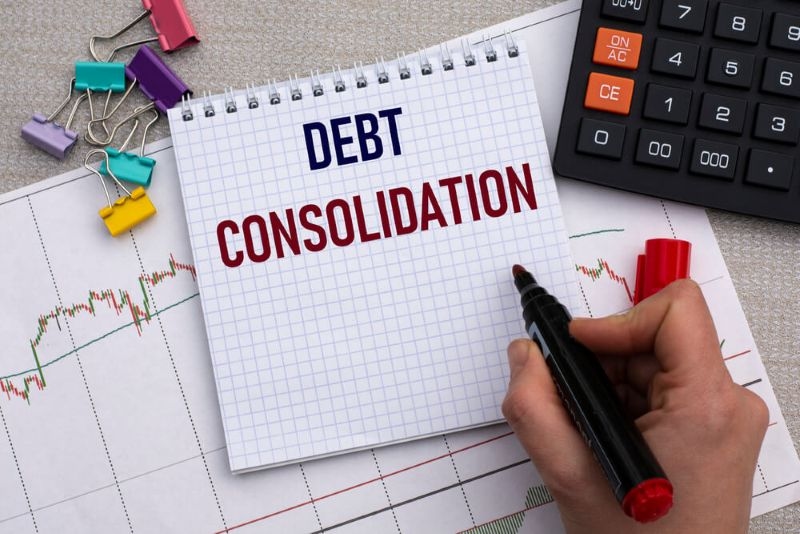
A debt consolidation loan is a simple way to combine many unpaid balances into one clear monthly payment. It brings structure and removes confusion.
This blog explains what it is, how it works step by step, how it affects credit behavior, and the benefits, limits, and smart usage tips in a clear way.
A debt consolidation loan allows you to merge your multiple existing loans into one repayment plan. Instead of managing several payments with different dates and rules, the borrower handles one payment every month. This makes repayment easier to track and easier to remember.
This option does not erase debt or remove responsibility. It only changes the way payments are arranged. When used correctly, a debt consolidation loan supports better payment habits, improves focus, and creates a more controlled financial routine that feels manageable over time.
Debt consolidation follows a clear path. Each step slowly brings order. Knowing these steps helps borrowers avoid confusion and feel prepared throughout the process.
The first step is to list every unpaid balance clearly. This includes knowing how many payments exist and when each one is due. This step creates awareness and helps avoid missing any obligation during the transition.
After reviewing obligations, a single structured payment option is selected. Approval depends on repayment ability and past payment behavior. The goal here is comfort and balance, not rushing into a decision.
Once approved, existing dues are cleared using the new structure. This reduces active payment accounts. From this point forward, attention shifts to managing just one monthly responsibility instead of many.
The final step is staying consistent. Payments should be made on time every month. Over time, this steady pattern supports stronger financial records and helps avoid future payment problems.
This is a common concern for many people. However, one thing that you must always remember is that your repayment behavior matters the most.
You can find out how debt consolidation can hurt your credit score:
During the time of your application, you may see a small change in your credit history. This is normal and typically only a temporary issue. Once you maintain consistent payments on your new structure, the effect will be minimal.
If you miss payments after you have consolidated, issues can develop. The problem isn’t with the structure itself; it only becomes a problem if repayment consistency isn’t maintained.
Closing older accounts can potentially have a slight effect on your long-term credit history. It might not hurt your credit, but it will point to the importance of consistent, on-time payments following consolidation.
Credit behavior is shaped over time. This section explains how repayment habits matter more than the repayment method.
Making payments on time shows reliability. A single monthly payment makes this easier. Over time, consistent behavior plays a strong role in shaping healthy credit records.
Multiple due dates increase confusion. A single schedule reduces the chance of missing a payment. This clarity supports better organization and fewer accidental delays.
Credit evaluation focuses on patterns. Short changes matter less than steady habits. Stability and routine repayment create stronger outcomes over time.
Every financial choice has strengths and limits. Understanding both sides helps set realistic expectations.
One payment is easier to manage than many. It reduces stress and saves time. This structure helps borrowers stay focused and organized.
A fixed routine builds discipline. Knowing exactly when to pay helps with planning. Over time, this organization supports consistent repayment habits.
Consolidation does not fix spending habits by itself. If old patterns return, progress may slow. Long-term success depends on careful behavior and control.
Responsible behavior is the most basic thing that you need for managing personal loan debt consolidation. However, there are some other things that you need to do as well.
You can check the following list to understand the tips that can help you in managing personal loan consolidation:
Keep the amount limited to existing dues and do not include any additional charges. This will make the payment easier and will not put pressure on it later on.
Make the monthly payment a non-negotiable one. Plan it according to when the income is received. This will help in making the payment on time and will not cause any delays.
After consolidation, do not take on any additional debt. Focus on completing the payment. Stability is achieved by decreasing debt, not by increasing it.
A debt consolidation loan is a tool for structure, not a shortcut. Its impact depends on discipline and consistency. When managed well, it supports clarity and control. Long-term improvement comes from steady repayment habits and responsible financial behavior.
It works best for people who can follow a fixed payment routine and avoid missed payments.
No. Negative effects usually come from late payments, not from consolidation itself.
Improvement comes from regular payments and fewer chances of missed due dates.
No. The outcomes completely depend on an individual's income stability, repayment habits, and discipline.
It is a yes for many people. Consistency is essential because one payment is easier to manage.
This content was created by AI