

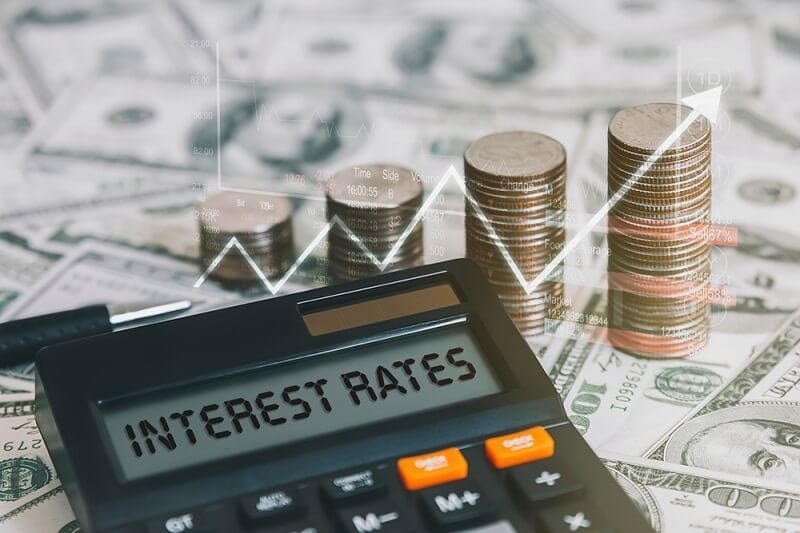
When it comes to managing money, few things influence our wallets more than bank interest rates. They can make your savings grow or shrink, shape the cost of borrowing, and even affect how we plan for big purchases like a home or a car. You know what? Most people glance at them and think, “Eh, it’s just numbers,” but these rates quietly dictate how much money you actually end up with—or owe. From savings accounts that barely tickle your balance to loans that sneakily drain your paycheck, understanding bank interest rates can save—or cost—you thousands. Let’s unravel this topic in a way that’s clear, conversational, and yes, genuinely useful.
Interest rates can feel abstract. You see percentages tossed around in bank ads, but what do they really mean for your everyday life? Bank interest rates are essentially the price of money—whether you’re putting it in a savings account or borrowing it.
Think of savings interest rates as tiny engines that push your money forward over time. Higher rates mean your money grows faster, compounding quietly while you sleep. But when rates are low, even if you diligently stash cash, it barely moves.
You might ask, “Is a 1% difference really that big?” Honestly, yes. Over time, even a fraction of a percent can mean hundreds or thousands extra, especially if you’re saving for a home down payment, retirement, or your kid’s college fund.
Now flip the coin. Loan rates determine how much it costs to borrow money. Mortgages, car loans, student loans—they all have interest baked in. Higher loan rates mean bigger monthly payments. Lower rates? Easier to manage, more flexibility in your budget.
Here’s the kicker: sometimes rates go up while the economy is booming, and down when it’s shaky. So, if you’re thinking of buying a house, locking in a mortgage during lower rates could save you tens of thousands over the life of the loan.
Also read: Best Online Bank for Beginners: Key Features & Benefits
APR, or annual percentage rate, is a term that gets thrown around a lot but is often misunderstood. It’s not just the interest rate—it includes other costs like fees, giving a more accurate picture of what you’re actually paying.
You could have a loan advertised at 6% interest, but the APR might be 6.5% once fees are included. That difference might seem tiny, but over five or ten years, it can add up.
APR explained simply: it’s a snapshot of your total borrowing cost, expressed as a yearly rate. When comparing loans, always check the APR rather than just the nominal interest rate—it’s the real deal.
Banks often highlight low rates to lure borrowers, but fees or variable rates can sneak up on you. Balloon payments, origination fees, or adjustable rates can make the “low rate” less low.
You might notice your bank occasionally raises or lowers the interest rate on your savings account. You may wonder, “Why can’t it stay steady?” The answer lies in the larger economy.
The Federal Reserve, America’s central bank, sets key rates that ripple across the economy. When the Fed raises rates, banks often follow suit by offering higher savings interest rates. Conversely, if the Fed lowers rates, your savings earn less.
Other factors also come into play. Inflation, competition among banks, and market demand for loans can shift rates. You may find online banks offering better rates than local branches simply to attract customers.
Just as savings rates change, so do loan rates. If you’ve been eyeing a new car or planning to refinance a mortgage, understanding these shifts can be a game-changer.
When inflation rises, lenders often increase loan rates to maintain profits and keep up with economic pressures. It may feel frustrating to borrow more just when things cost more, but it’s part of the bigger financial ecosystem.
Knowing when rates are low can help you save. Consider refinancing an existing loan during dips in loan rates. Or if you’re planning a big purchase, compare offers and act when conditions are favorable. Timing can be everything.
Don't miss: Checking vs Savings Account: Unraveling the Key Differences
This is where it is made personal. Bank interest rates do not exist in a vacuum; there is a connection between your savings plan and your loans.
You can be wiser with your savings by using them to pay off high-interest debt, such as credit cards, rather than making a few dollars by saving in low-interest accounts. It is the balancing game: in some cases, it can be more rewarding to pay off debt than to leave money in the savings.
Follow the rates around the world on both sides (savings and loans) and change your plan as the rates change. When the interest rates on loans shoot up, you may focus on settling debt or redeeming the interest deposit at a high rate when the deposit interest rate increases. Flexibility and awareness are the keys.
There is a silent way in which the interest rate set by the banks influences nearly all of our finances. They dictate the rate at which your savings increase, the rate at which loans become expensive, as well as the ingenuity with which you can use your money. Lending knowledge of savings interest rates, loan rates, and APR can help you make smarter decisions. You do not have to have an economics degree, but just be aware, do check-ins, and be ready to change your approach. Money is a moving asset, and on such small percentages, it will be significant in the long run. It is possible to learn the secrets of the bank interest rates and make them not such a secret number, but a tool to your advantage and to the benefit of profit.
Banks can change rates on a monthly basis or at a time the Federal Reserve alters important rates. Frequent check-ups keep you updated.
No, APR adds dividends and additional payments, which present a more complete idea of what you are actually paying on the money in your loan.
As a rule, the high-interest debt must come first in the list of prioritization over the low-yield savings, as in the end, more money will be saved by clearing the debt.
Yes, at least when it comes to making a mortgage or huge loan. It can be beneficial to compare offers and demonstrate excellent credit in order to receive a better price.
This content was created by AI